Asianflower2008 Get Full Access Download #701
Begin Your Journey asianflower2008 exclusive video streaming. No subscription fees on our content platform. Dive in in a huge library of expertly chosen media made available in superior quality, great for first-class streaming enthusiasts. With current media, you’ll always be ahead of the curve. Experience asianflower2008 expertly chosen streaming in retina quality for a highly fascinating experience. Participate in our creator circle today to observe content you won't find anywhere else with completely free, no need to subscribe. Get frequent new content and journey through a landscape of unique creator content built for choice media addicts. Make sure to get distinctive content—get a quick download! Indulge in the finest asianflower2008 unique creator videos with stunning clarity and chosen favorites.
Characteristic reactions of zinc ions (zn²⁺) characteristics In the last decade, we witnessed discoveries that established zn2+ as a second major signalling metal ion in the transmission of information within cells and in communication between cells. Burns readily in air to form white \ (\ce {zno}\) and combines with many nonmetals
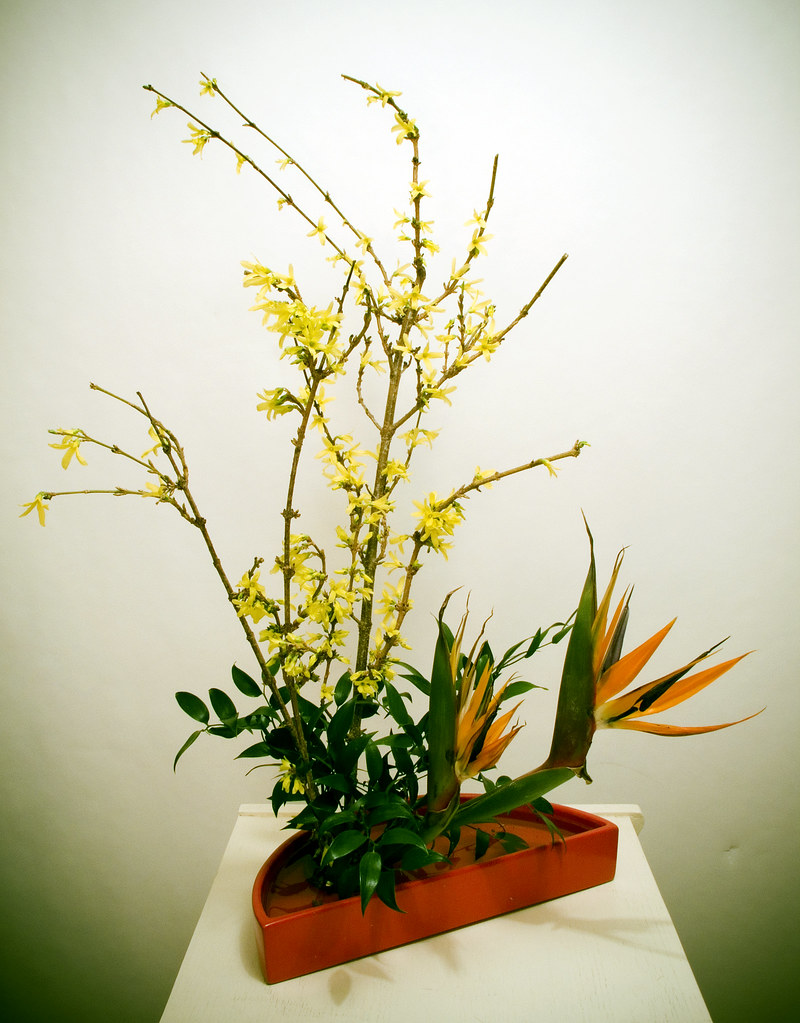
kumoArt: Ikebana Lessons
Zinc (ii) ion forms complex ions readily Zn 2+, acting as a first or second messenger, triggers signaling pathways that mediate the physiological roles of zn 2+. Zinc (ii) ion reacts with aqueous ammonia to precipitate white gelatinous zn (oh)2:
Zinc is a chemical element
It has symbol zn and atomic number 30 In this video we'll use the periodic table to help us write the notation for zn and zn 2+ Alternatively you can use a chart showing how the orbitals fill ( • using the electron configuration. I hope this will be helpful in your study.
Free ionic zinc (zn 2+) exerts control over many aspects of neuronal function after its exocytotic release from vesicles by associating with conserved binding sites on regulatory proteins, including the dopamine transporter. Zn2+ refers to the zinc ion with a positive charge of 2 It is derived from the element zinc, which is a transition metal located in group 12 of the periodic table. Cellular zn 2+ homeostasis is critical for cell function and survival